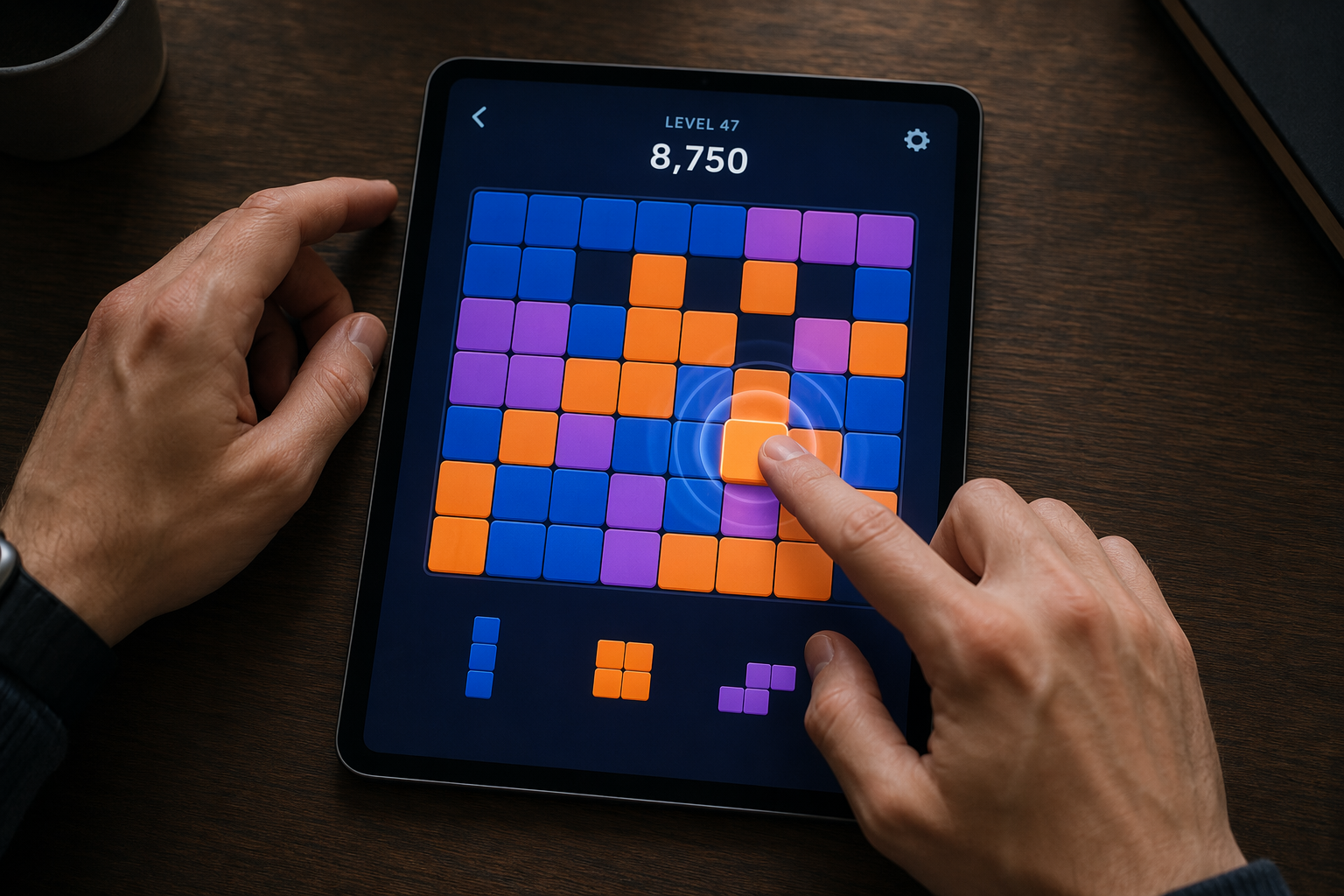
Oh, the lure of colorful grids and satisfying clicks! I remember countless evenings lost in the simple joy of a good puzzle game. If you're anything like me, you've probably wondered: What's the ultimate online tile puzzle out there?
The best Color Tiles game to play online is the original one developed by Google. It is a simple yet challenging logic puzzle that was featured as an interactive Google Doodle. You can easily find and play this classic, ad-free version for free through the Google Doodle archives.
While that original Google game holds a special place in my heart – and honestly, it's a fantastic starting point – I often find myself craving something more. Maybe a different challenge, the thrill of multiplayer action, or just a fresh set of complex levels? That's exactly why I dove deep, really rolled up my sleeves, to uncover the top-tier alternatives and hidden gems that every puzzle fan, including you, absolutely needs to know about. Trust me, the rabbit hole of colorful puzzles is deeper than you think, and I'm here to guide you through it!
The classic Google Doodle game is a single-player experience. However, many alternative tile-matching games provide multiplayer options.
Longing for that classic, simple puzzle experience? The original Google Color Tiles game is just a few clicks away, and it's easier to find and play than you might think. Rediscover the addictive original.
You can play the original Google Color Tiles game directly through the Google Doodle archives. This official source hosts the interactive puzzle from its 2013 release, allowing you to enjoy the classic, ad-free experience for free, exactly as it was when it first captivated puzzle lovers.
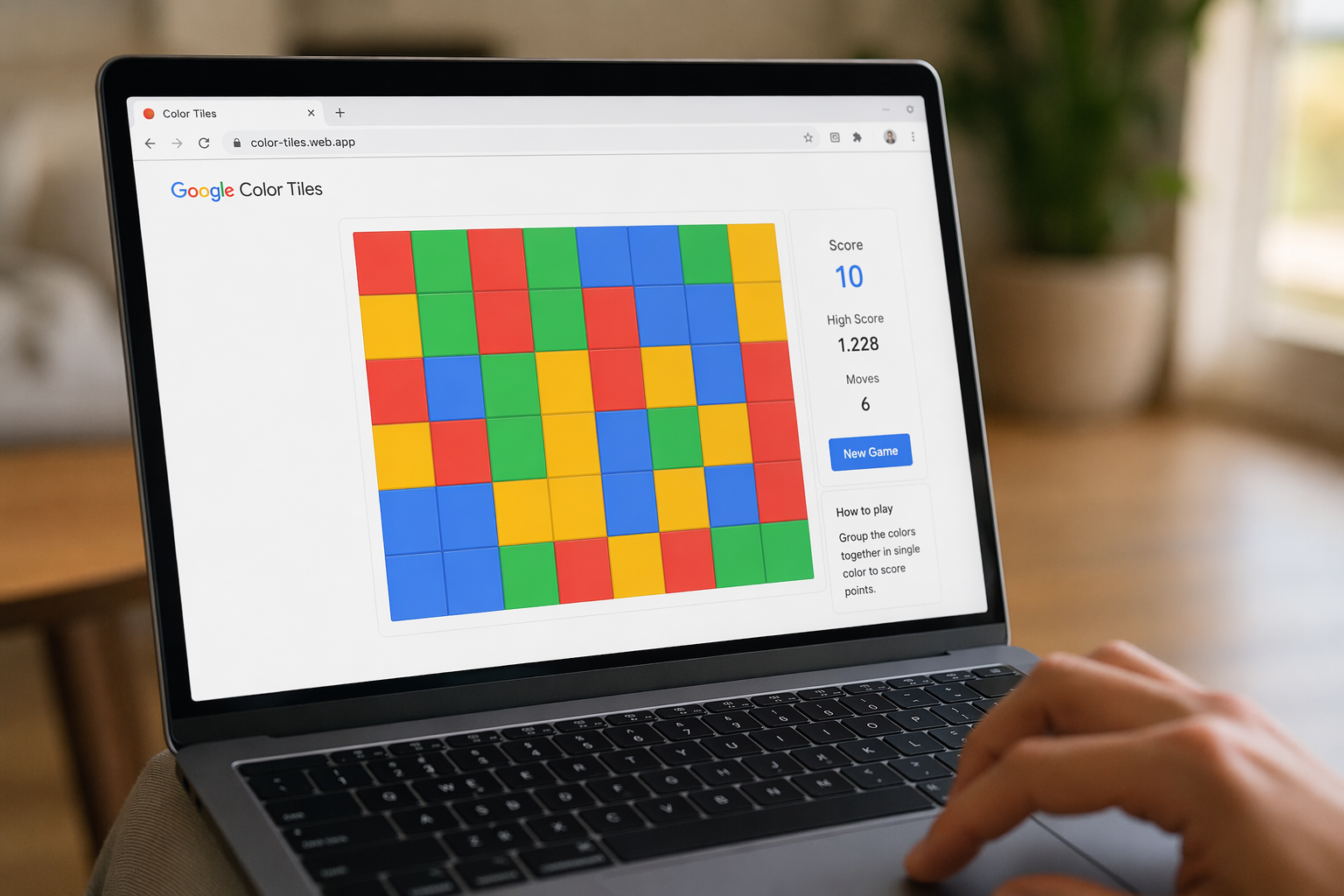
The original Google Color Tiles game, a delightful logic puzzle, was released as a Google Doodle. The best part? Google preserves all its Doodles, making the game permanently accessible.
Finding the game is straightforward. The Google Doodle archive is a digital museum of all the creative logos and games that have graced the Google homepage.
Here’s how you can find and play the Color Tiles puzzle:
The appeal of the original Google version lies in its purity and focus. It's a perfect example of minimalist game design1, where the core mechanics are the star of the show.
While the original is a masterpiece of simplicity, its success has inspired countless logic puzzle variations2 across different platforms, each offering a unique spin on the grid-based color-matching formula.
Google preserves its interactive Doodles, making the game permanently accessible online through the official Google Doodles website.
The game is web-based and plays directly in your browser from the Google Doodle archives, requiring no downloads or sign-ups.
Craving a competitive edge or a cooperative challenge with your favorite tile puzzle? While the classic is a solo journey, the fun doesn't have to stop there. Multiplayer options are waiting to be explored.
Yes, while the original Google Doodle Color Tiles game is a single-player experience, numerous other tile-matching and puzzle games offer robust multiplayer modes. These versions allow you to compete against friends or other players online in real-time races, turn-based strategic battles, or even cooperative challenges.

The classic Google Color Tiles game is designed as a solitary brain teaser. However, the core concept of grid-based color puzzles has been widely adapted into exciting multiplayer formats. If you're looking to test your skills against others, you have several options.
Imagine the familiar color tile grid, but you're racing against an opponent. Many puzzle games offer a head-to-head mode where players are given the same puzzle, and the first one to solve it wins. This format adds a thrilling layer of speed and pressure, rewarding not just logical thinking but also quick execution. These games often feature leaderboards and ranking systems to fuel the competitive spirit. You can find many competitive puzzle games3 on various platforms.
If speed isn't your style, turn-based multiplayer might be perfect. In these games, players typically share a board and take turns making moves. The goal might be to claim more territory, create specific patterns, or strategically block your opponent. This style is less about frantic clicking and more about careful planning and outsmarting the other player, much like a game of chess but with colorful tiles.
Why compete when you can collaborate? Some games take the puzzle concept and turn it into a team effort. In these modes, you and a partner might work together on a much larger or more complex board than you could handle alone. Communication and coordinated strategy are key to success, making it a great way to connect with friends. These are often found among cooperative mobile games4.
Here's a quick comparison of the different multiplayer modes:
| Mode Type | Primary Skill | Gameplay Feel | Best For |
|---|---|---|---|
| Real-Time | Speed & Accuracy | Fast-paced, intense | Adrenaline junkies and quick thinkers |
| Turn-Based | Strategy & Foresight | Deliberate, tactical | Strategic minds who enjoy outwitting opponents |
| Cooperative | Communication & Teamwork | Collaborative, social | Friends and partners looking for a shared challenge |
The classic Google Doodle game is a single-player experience, but many other tile games offer multiplayer options.
Besides competitive modes, some games offer cooperative puzzles where you can collaborate with friends to solve challenges together.
Craving the satisfaction of Color Tiles but ready for a new visual puzzle? The world of mobile and web gaming is brimming with fantastic, free alternatives that will test your color perception and logic in exciting new ways.
Excellent free alternatives to the Color Tiles game include I Love Hue, Blendoku 2, and Color Puzzle Game. I Love Hue focuses on arranging tiles by gradient, Blendoku 2 offers complex color puzzles with multiplayer, and Color Puzzle Game provides a simple yet addictive color-sorting challenge.
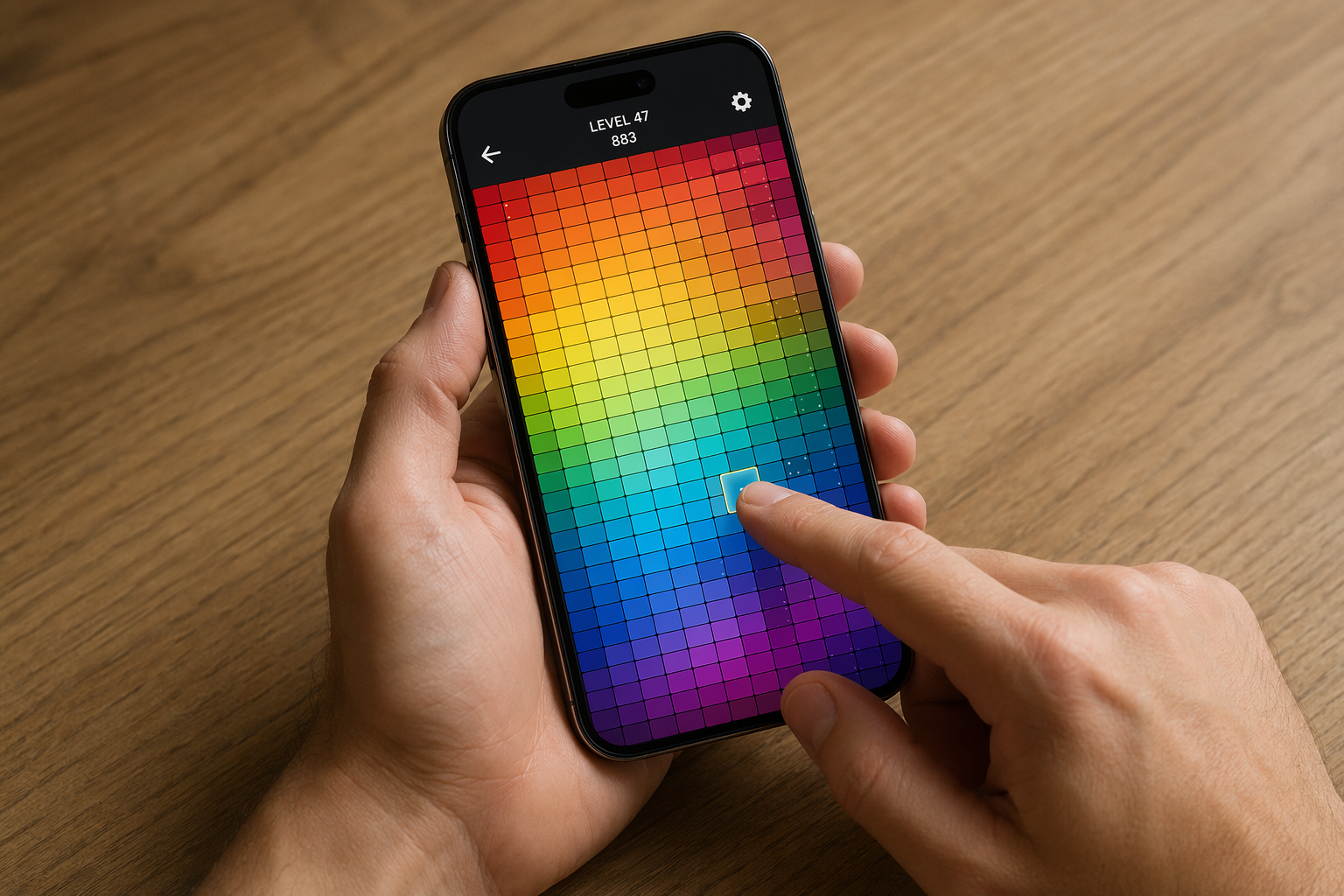
While the original Google game is a classic, many other developers have taken the core concept of color-based puzzles and created unique, engaging experiences. If you're looking for something new, here are some of the best free alternatives to explore.
This series of games is a must-try for anyone who enjoys color gradients. Instead of a logic puzzle, I Love Hue is a gentle journey into color and perception. The goal is to rearrange scrambled mosaic tiles into a perfectly ordered spectrum. It's known for its minimalist aesthetic, soothing soundtrack, and gradually increasing difficulty. It's less about a single "win" state and more about creating harmony. You can find information about the I Love Hue series5 on various app platforms.
Blendoku 2 takes the color-ordering concept and turns it into a more traditional puzzle game. It builds upon its predecessor with more levels, a multiplayer mode, and the ability to create your own puzzles. The game presents you with a grid of colors and asks you to fill in the missing tiles based on the gradient. With multiple difficulty levels and a massive library of puzzles, it offers a challenge for both beginners and color theory experts. Exploring the Blendoku 2 features6 can give you a better idea of its depth.
This genre has become incredibly popular on mobile app stores. The typical format involves a set of vials or tubes containing different colored liquids or balls. Your task is to sort them so that each container holds only one color. While mechanically different from the grid-based Color Tiles, these color tiles puzzle games7 scratch a similar itch for organization and problem-solving in a colorful, satisfying way.
Though not strictly a color-matching game, 2048 is a fantastic alternative if you enjoy the strategic, tile-based nature of the Google Color Tiles puzzle. In 2048, you slide numbered tiles on a grid to combine them and create a tile with the number 2048. It requires foresight, planning, and a bit of luck, sharing the core elements of logic and spatial reasoning that make tile puzzles so compelling.
The game Blendoku 2 includes a multiplayer mode, allowing users to play with others and create their own puzzles.
2048 is a strategic number puzzle. Players slide numbered tiles to combine them, aiming to create a tile with the number 2048.
Winning the Color Tiles puzzle isn't just about random clicks. It requires a thoughtful approach and a bit of foresight. Ready to transform your gameplay from guessing to mastering? Let's explore the core strategies that will lead you to victory and help you solve puzzles faster.
The most effective strategy to win the Color Tiles puzzle game is the 'corner-first' approach. Start by solving the tiles in one corner of the grid, then work your way along the edges. This method minimizes unintended changes to already-solved sections and simplifies the puzzle systematically.
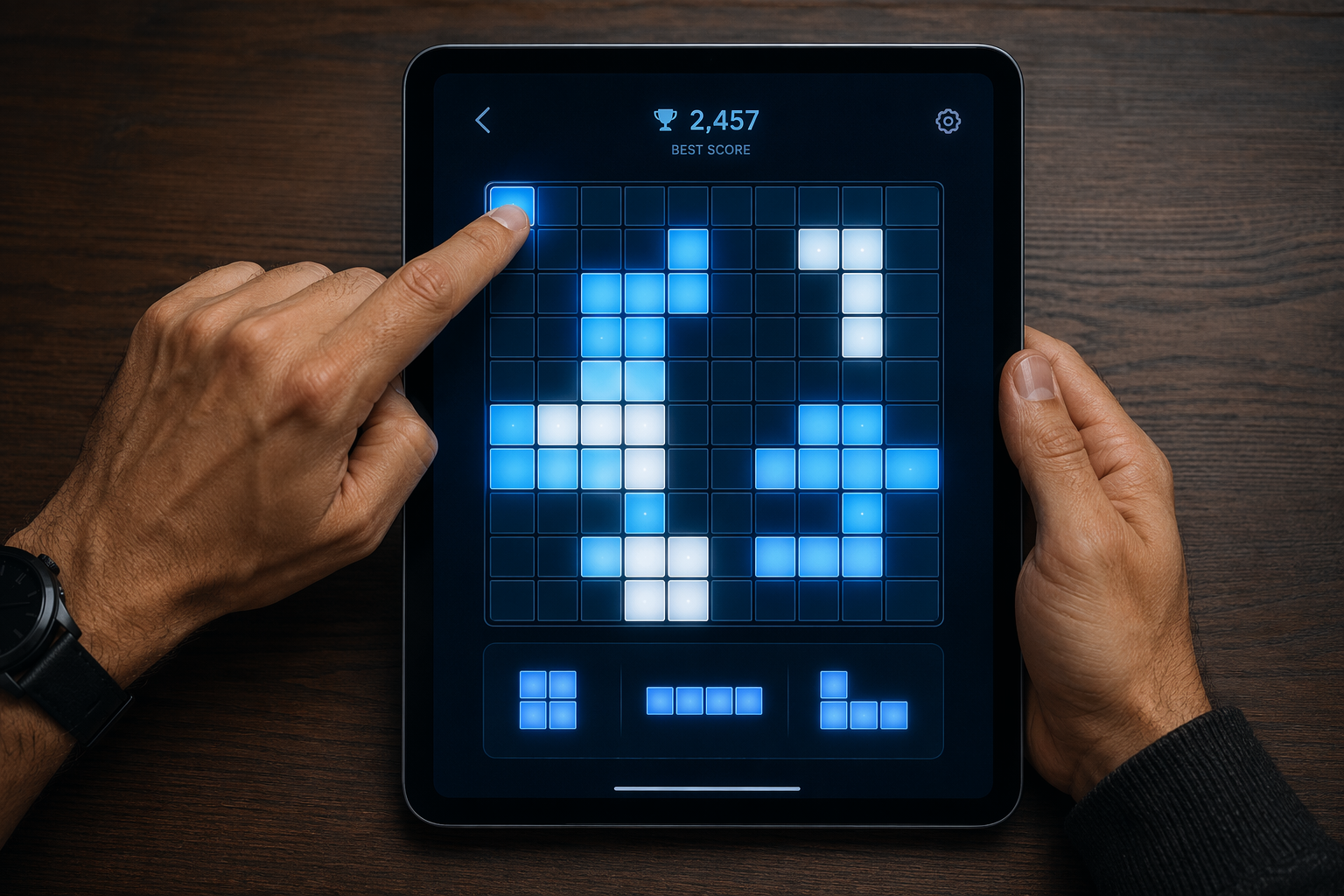
While it may seem like a simple game of clicks, a solid strategy can be the difference between a quick win and a frustrating restart. By applying logical principles, you can solve even the most complex color tile grids with confidence.
The most widely recommended strategy is to begin in one of the four corners. When you click a tile, it flips itself and its adjacent neighbors. A corner tile only has two neighbors, whereas a central tile has four. By starting in a corner, you limit the ripple effect of your moves, making it easier to control the outcome. Focus on getting a 2x2 block in a corner to be the correct color first. This creates a stable anchor point from which you can expand.
Once you have a corner secured, the next logical step is to work your way along the connected edges. For example, if you solved the top-left corner, focus on solving the rest of the top row and then the leftmost column. This approach effectively builds a 'frame' of solved tiles, shrinking the active puzzle area. With each row or column you complete, the remaining puzzle becomes significantly less complex.
Instead of reacting to individual incorrect tiles, try to see one or two moves ahead. Observe the patterns on the board. Sometimes, clicking a tile that is already the 'correct' color is necessary to fix a larger, more complex pattern nearby. Developing an eye for these sequences is a key part of mastering the game. This skill is transferable to many other visual puzzle-solving techniques8.
A systematic approach is to solve the grid row by row, from top to bottom. When working on a specific row, only use clicks in the row below it to make corrections. For instance, to fix tiles in Row 1, you would only click on tiles in Row 2. This ensures that you don't undo your progress in the rows you've already completed. This is one of many advanced logic puzzle strategies9 that can be adapted for this game.
The 'corner-first' method is recommended, as corner tiles have fewer neighbors, making the puzzle easier to control and solve systematically.
This 'Solve From One Direction' strategy ensures you don't undo your progress in rows you have already completed, making it highly effective.
Ultimately, I've found that the 'best' color tile game is truly the one that brings you the most joy. So go on, explore, click, and most importantly, happy puzzling!
Understand the design philosophy that makes simple games so compelling and addictive: I break down some methods to make a game which is minimalist and approachable, yet contains depth and replayability. ↩
Discover more logic puzzles that will test your problem-solving skills: A custom-labeled grid is provided for every puzzle, like the one you see to the right. The grid allows you to cross-reference every possible option in every ... ↩
Find games where you can race against others to solve puzzles: Play the Best Online Puzzle Games for Free on CrazyGames, Solve puzzles and challenging brain games. from jigsaw puzzles to cards, words, logic, and math. ↩
Discover collaborative puzzles perfect for playing with a friend on your phone: Tick tock is puzzle mystery that is offline but requires two players communicating to advance through the story/puzzles. We highly recommend it! ↩
Find official download links for this beautiful color puzzle series: Play I Love Hue online for free. I Love Hue is a 50-stage logic puzzle game where players reorganize color palettes which are out of order. ↩
Learn about the different ways you can play this challenging color strategy game: The main gameplay addition in the sequel is the asynchronous multiplayer mode. Through an in-game profile or a Facebook login, you'll face off ... ↩
Discover a variety of popular and highly-rated color sorting games to try: The #1 simple but addictive, fun, and challenging water sort puzzle game for you! It is the best free water sorting puzzle game. Available on Android, Windows ↩
Learn techniques to spot patterns faster and improve your overall puzzle-solving speed: How to Improve Pattern Recognition Through Puzzles · 1. Diversify Your Puzzles · 2. Increase Difficulty Over Time · 3. Solve Puzzles Regularly · 4. ↩
Explore expert-level tips that apply to Color Tiles and other similar logic games: Cross-elmination is an advanced solving method that comes in two flavors: geometrical and non-geometrical. It is a grid-only solving method... ↩
Recommended reading: the latest three posts in this language.
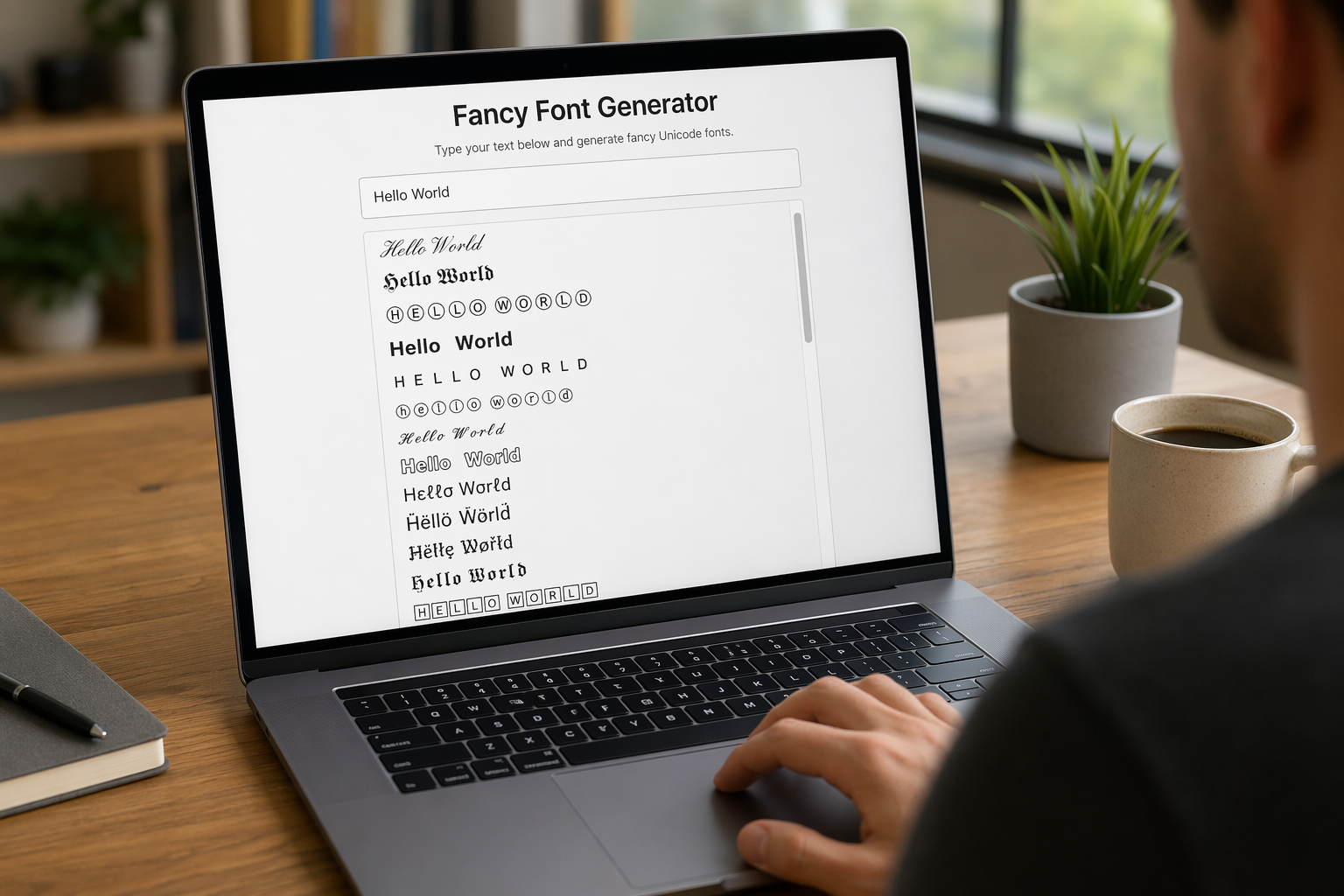
Remember that feeling when your social media posts just... vanished into the feed? I certainly do! For ages, I struggled to make my words pop. Then, I stumbled upon fancy font generators, and honestly, they've been a game-changer. They're my little secret for crafting text that truly stands out, making my content memorable without needing any fancy design degrees.

Have you ever just stopped to stare at the vast, endless blue of the sky or the deep, mysterious ocean? It feels like blue is everywhere, right? But then I started noticing something peculiar: when it comes to living things—plants, animals, us—true blue is incredibly hard to find. It got me wondering: why is such a common color in our world so shockingly rare in the vibrant tapestry of life? Let's explore this beautiful mystery together.

Oh, Easter! It’s one of my favorite times of the year, filled with the promise of spring and new beginnings. But what truly makes an Easter celebration sing? For me, it's all about the colors! I've found that a perfect palette, whether it's soft pastels like baby blue and blush pink, or something more vibrant like coral and teal, can completely transform the atmosphere. Let me show you how to pick shades that perfectly capture the spirit of renewal and joy, adding that special touch to your festivities.
